Enjoy a flavorful journey through Tanzania’s traditional cuisine, tasting local dishes, spices, street food, and authentic recipes that reflect the country’s rich cultural diversity.
Discover unforgettable experiences across East Africa, from wildlife safaris and walking adventures to mountain trekking, cultural experiences, and tropical beach escapes. Explore Tanzania, Kenya, Uganda, Rwanda, and Zanzibar through carefully designed activities for every type of traveler.
Enjoy a flavorful journey through Tanzania’s traditional cuisine, tasting local dishes, spices, street food, and authentic recipes that reflect the country’s rich cultural diversity.
The Tasting Traditional Tanzania Food experience offers visitors a delicious introduction to the country’s rich culinary heritage. Tanzanian cuisine is a blend of African, Arab, Indian, and coastal Swahili influences, resulting in a wide variety of flavorful dishes. This food tour allows travelers to explore local cooking styles, ingredients, and traditions while enjoying authentic meals prepared in homes, local restaurants, or street food markets. It is an ideal way to connect with Tanzanian culture through taste, smell, and shared dining experiences.
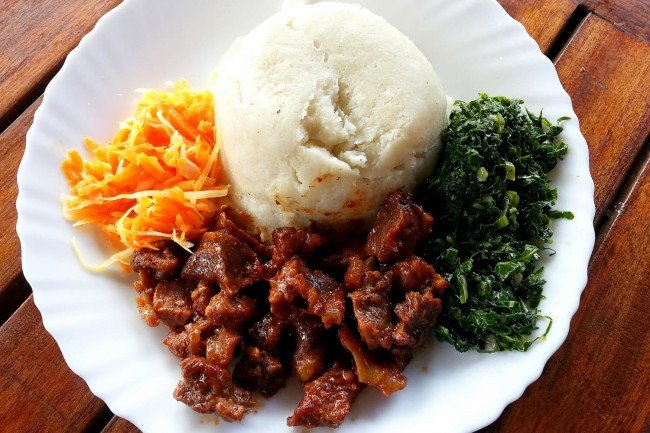
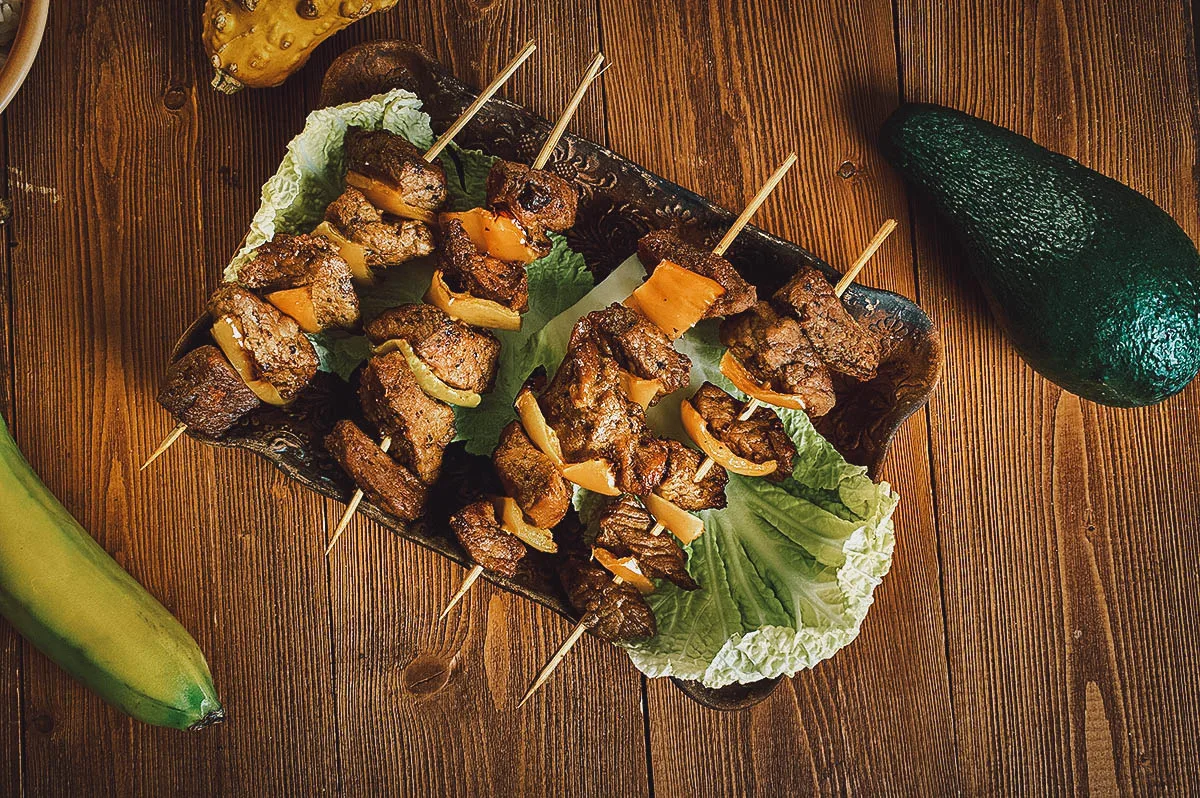
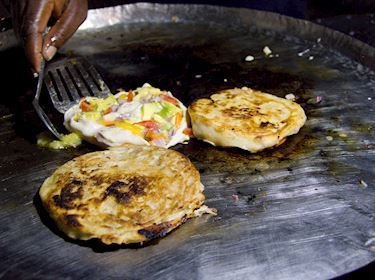
During the experience, guests can sample a variety of traditional dishes such as ugali (maize porridge), nyama choma (grilled meat), pilau rice, biryani, samosas, chapati, and fresh seafood along the coast. Tropical fruits like mangoes, pineapples, bananas, and coconuts are often included, offering refreshing natural flavors. Street food tastings may also be part of the tour, where visitors try local snacks and learn how they are prepared. Each dish reflects regional diversity, with coastal areas like Zanzibar offering spicier, aromatic meals influenced by Swahili and Arabic cuisine.
The experience is both educational and cultural, as local guides explain the history behind different dishes, cooking methods, and the importance of food in Tanzanian social life. Visitors may also participate in cooking sessions, learning how to prepare traditional meals using local spices and techniques. Whether enjoyed in Arusha, Zanzibar, or rural villages, the Tasting Traditional Tanzania Food experience provides a warm and memorable way to understand Tanzanian culture through its most universal language—food.