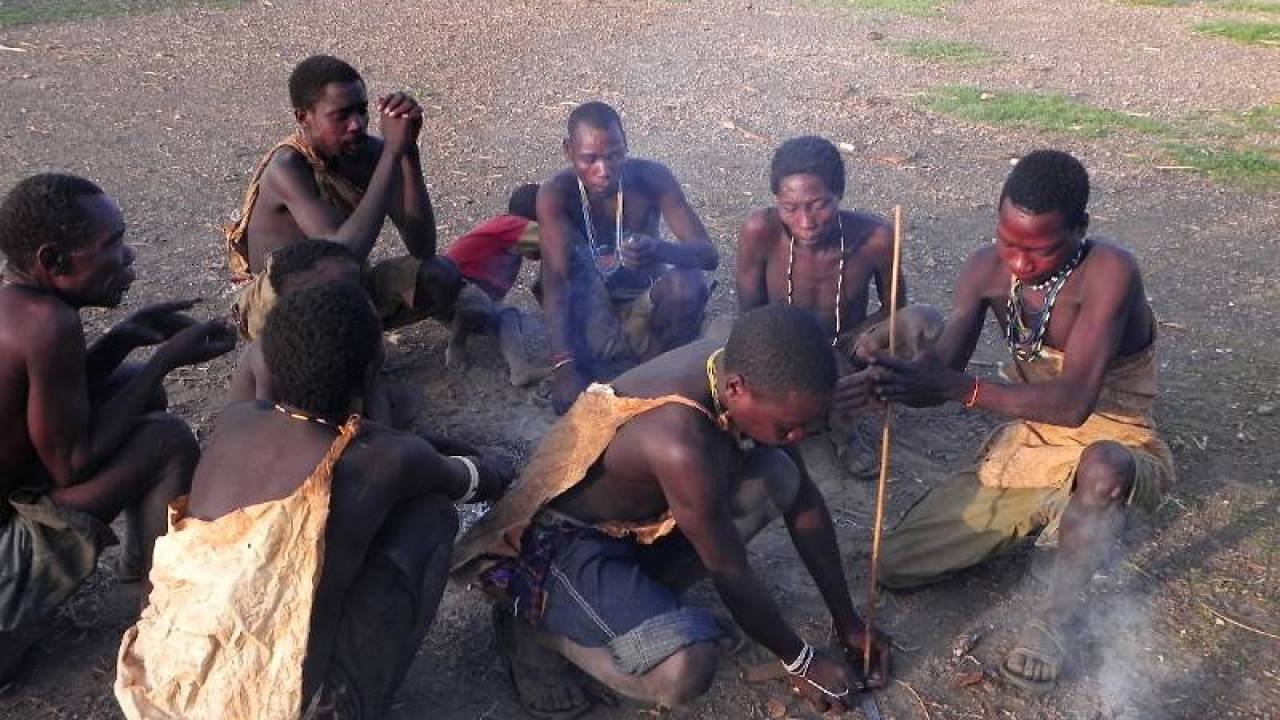
Experience a unique cultural journey with the Hadzabe tribe at Lake Eyasi, learning about their traditional hunting lifestyle, ancient customs, and survival skills in one of Africa’s last remaining hunter-gatherer communities.
Discover unforgettable experiences across East Africa, from wildlife safaris and walking adventures to mountain trekking, cultural experiences, and tropical beach escapes. Explore Tanzania, Kenya, Uganda, Rwanda, and Zanzibar through carefully designed activities for every type of traveler.
Experience a unique cultural journey with the Hadzabe tribe at Lake Eyasi, learning about their traditional hunting lifestyle, ancient customs, and survival skills in one of Africa’s last remaining hunter-gatherer communities.
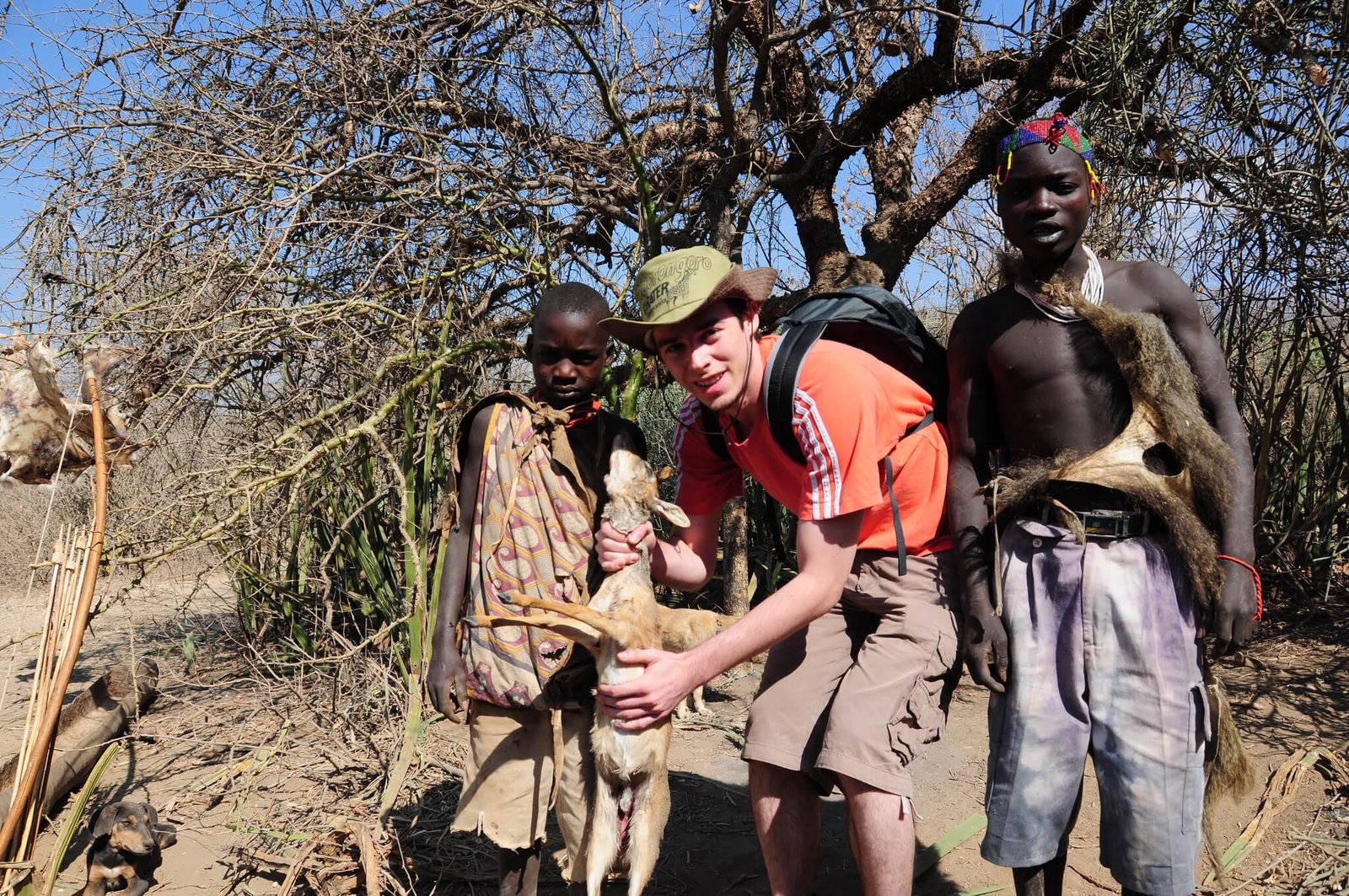
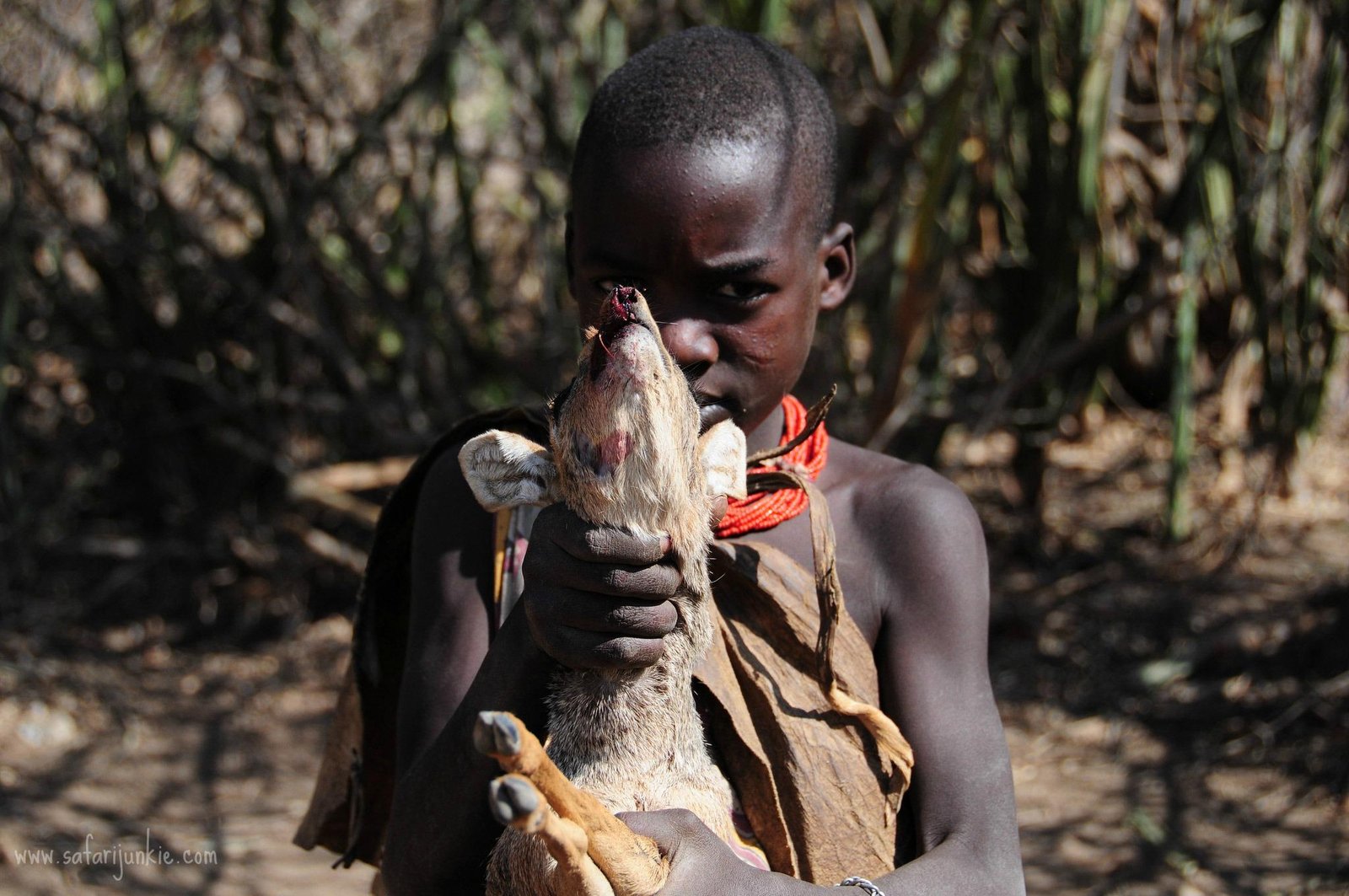
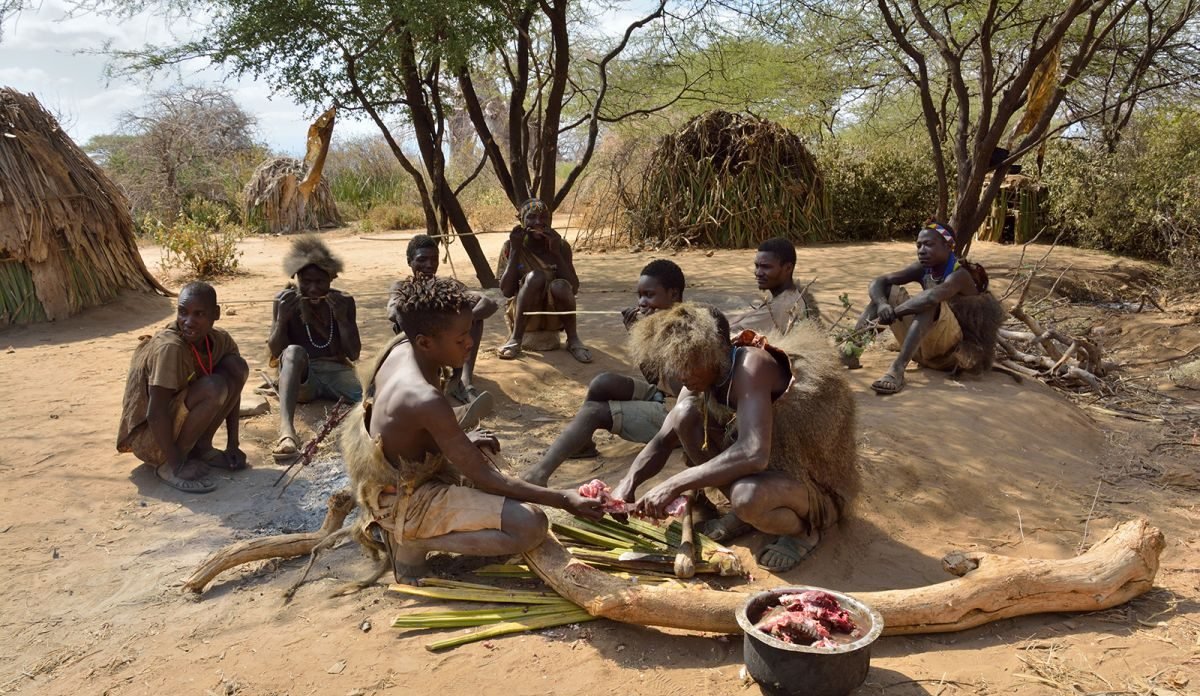
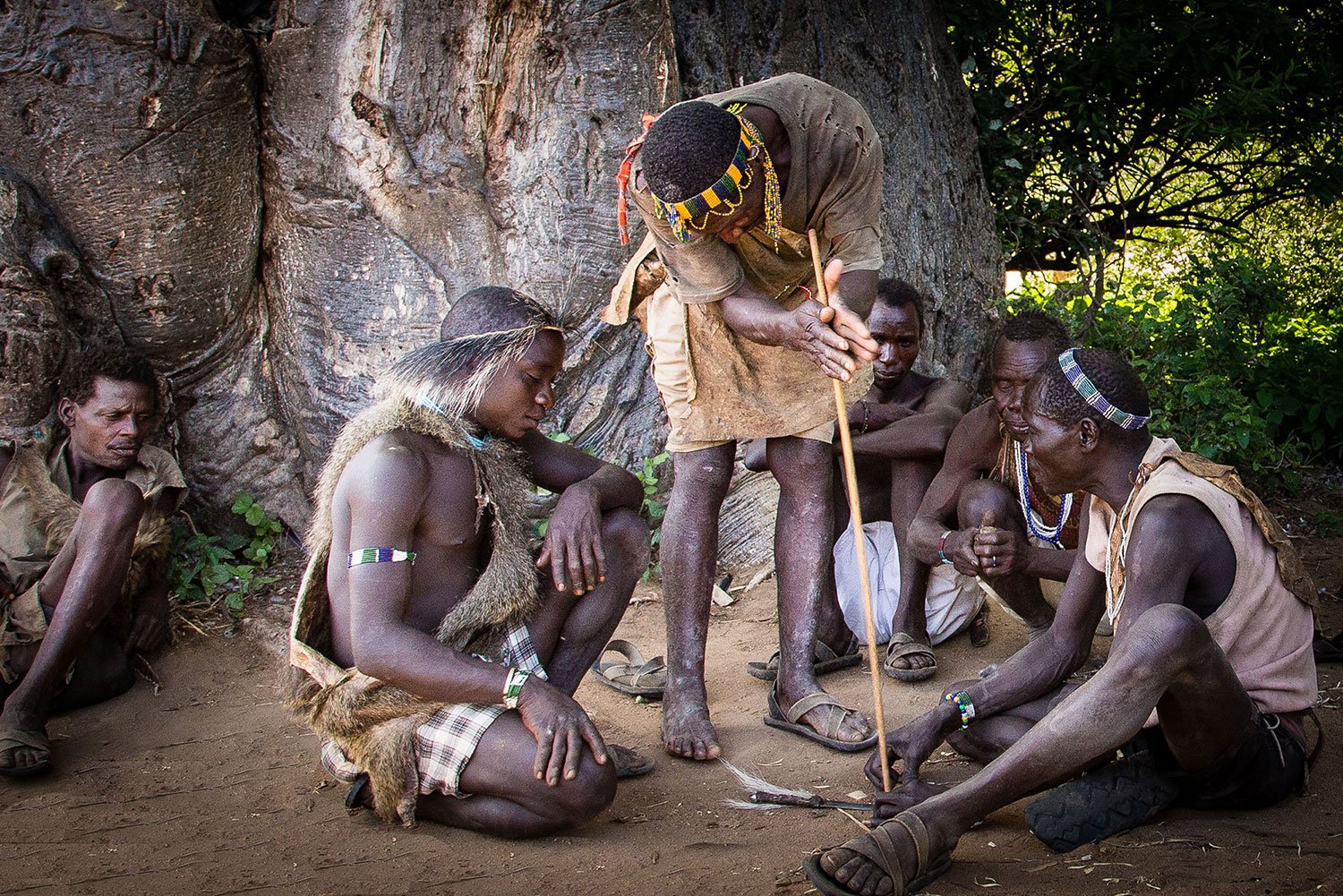
The Hadzabe Tribe Visit at Lake Eyasi offers one of the most authentic cultural experiences in Tanzania, allowing visitors to step into the world of one of the last remaining hunter-gatherer communities in Africa. The Hadzabe people live near Lake Eyasi in northern Tanzania and have preserved their traditional way of life for thousands of years. They do not practice agriculture or livestock keeping; instead, they rely on hunting animals and gathering wild fruits, roots, and honey from the natural environment. This tour provides a rare opportunity to witness a lifestyle that has remained largely unchanged for centuries.
During the visit, travelers are often invited to join the Hadzabe on a traditional hunting excursion. Using handmade bows and arrows, visitors can observe or participate in tracking small game, learning about ancient survival techniques and deep knowledge of the land. The Hadzabe demonstrate how they use natural signs, animal tracks, and environmental awareness to survive in the wild. Guests may also visit their camps, interact with community members, and learn about their language, social structure, and daily routines. The experience is both educational and eye-opening, offering a deeper understanding of human history and cultural diversity.
The Hadzabe experience also includes interaction with the Datoga tribe, who live nearby and are skilled blacksmiths and pastoralists. Visitors can watch traditional ironworking techniques and learn about their craftsmanship and way of life. The combination of Hadzabe and Datoga cultural visits creates a rich cultural journey that highlights the diversity of communities around Lake Eyasi. This tour is ideal for travelers seeking meaningful cultural encounters, photography opportunities, and a deeper appreciation of Tanzania’s indigenous heritage.